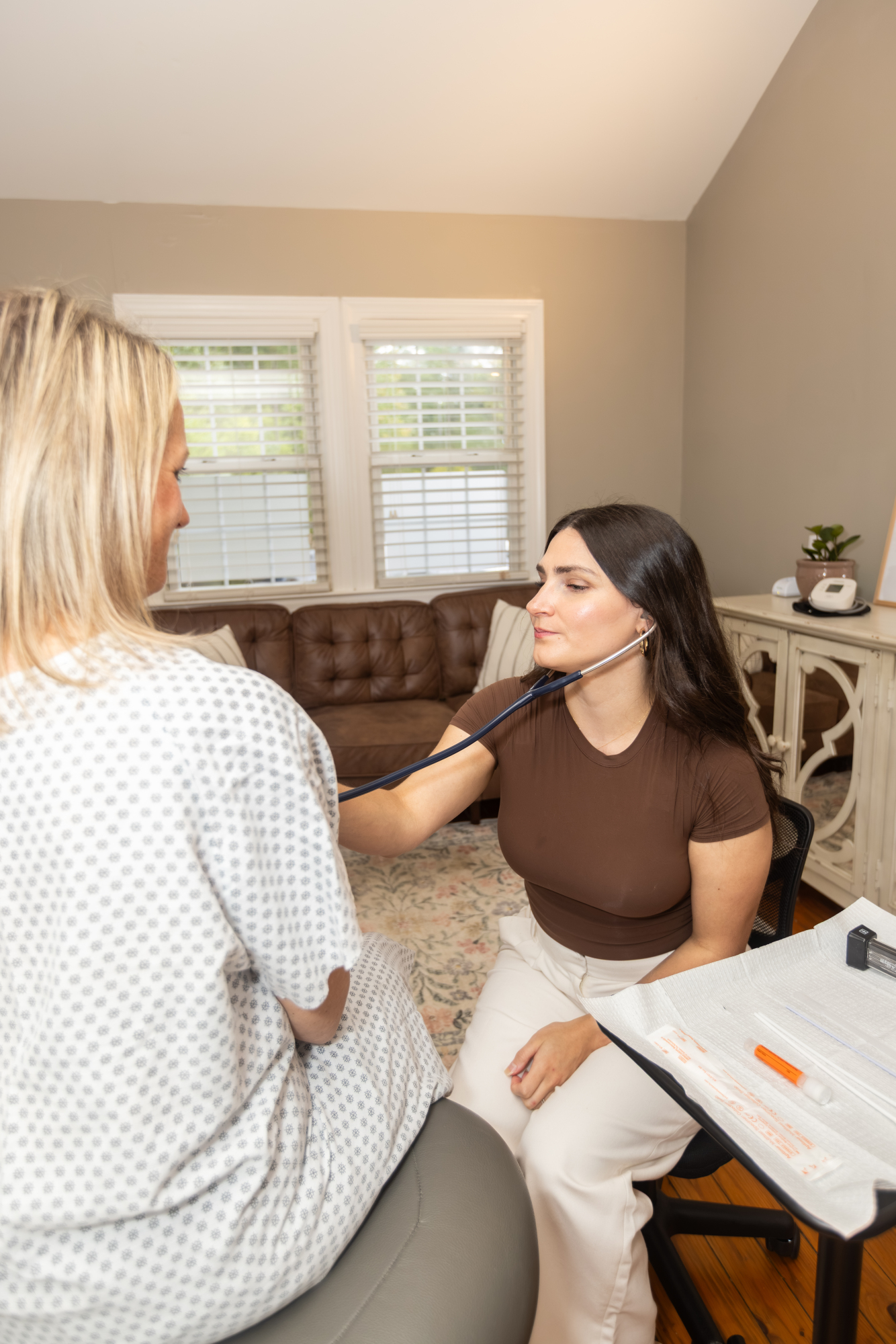



Low libido and sexual dysfunction are common concerns that can affect sexual desire, arousal, physical comfort, satisfaction, and overall well-being. These experiences can occur at any stage of adulthood, including during pregnancy, after childbirth, while breastfeeding, and throughout perimenopause and menopause.
Low libido refers to reduced interest in sexual activity. Sexual dysfunction is a broader term describing persistent difficulties involving sexual desire, arousal, orgasm, or pain during sexual activity.
Sexual desire naturally varies between individuals and throughout life. Some people experience spontaneous sexual interest, while others primarily experience desire after intimacy or stimulation begins. Neither pattern is automatically abnormal.
A change in sexual desire or function becomes a clinical concern when it causes meaningful personal distress or difficulty and cannot be adequately explained by normal variation alone.
Sexual health is influenced by a combination of physical, hormonal, psychological, relationship, and social factors. Consequently, identifying the reasons for sexual difficulties often requires a comprehensive approach rather than focusing on one hormone level or symptom.
Understanding the different forms of sexual dysfunction, their potential causes, and available treatment options can help women make informed decisions about their sexual health.
Causes of Low Libido and Sexual Dysfunction
Low libido and sexual dysfunction rarely have one universal cause.
A combination of biological, psychological, relationship, and lifestyle factors may contribute.
Hormonal Changes During Perimenopause and Menopause
Estrogen and other reproductive hormones change during the menopausal transition.
Lower estrogen levels can contribute to vaginal dryness, reduced lubrication, and painful intercourse.
These symptoms may indirectly reduce sexual desire by making sexual activity uncomfortable.
Changes in androgen activity may also influence sexual interest, but the relationship between testosterone levels and desire is complex.
A single testosterone measurement cannot determine whether someone has HSDD.
There are no FDA-approved testosterone therapies for women at this time. However, testosterone can be utilized off-label for libido support when appropriate, either alone or as part of a combination menopause hormone therapy regimen. A detailed risk-benefit discussion and individual assessment for appropriateness of therapy is necessary.
Pregnancy, Postpartum Recovery, and Breastfeeding
Sexual desire may change during pregnancy and after childbirth.
Postpartum recovery can involve:
- Physical healing
- Sleep deprivation
- Fatigue
- Changes in body image
- Increased caregiving demands
- Relationship adjustments
- Vaginal discomfort
During breastfeeding, estrogen levels may remain relatively low, contributing to vaginal dryness or discomfort.
These changes do not automatically indicate a sexual disorder.
However, persistent pain or distressing changes in sexual function deserve attention. Pelvic floor physical therapy evaluation should be considered for any pelvic pain or pain with sex during or after pregnancy and childbirth.
Mental Health and Emotional Factors
Psychological well-being plays an important role in sexual health.
Potential contributors include:
- Depression
- Anxiety
- Chronic stress
- Negative body image
- Past traumatic experiences
- Performance-related concerns
- Persistent emotional exhaustion
Depression can reduce sexual interest, while certain medications used to treat depression may also affect desire, arousal, or orgasm.
These factors may overlap.
Relationship and Interpersonal Factors
Sexual desire can be influenced by emotional connection, communication, trust, conflict, and differences in sexual preferences.
A mismatch in desire between partners does not automatically mean either person has a disorder.
Personal distress, relationship context, and individual goals help determine whether treatment is appropriate.
Medication Side Effects
Some medications can contribute to sexual dysfunction, including certain:
- Antidepressants, particularly selective serotonin reuptake inhibitors
- Medications used to treat high blood pressure
- Hormonal contraceptives in some individuals
- Opioid medications
- Other drugs affecting the nervous system or hormonal function
Medication effects vary substantially.
A suspected medication should not be stopped without considering its original purpose and the risks of changing treatment.
Chronic Medical Conditions
Certain health conditions can affect sexual function through pain, fatigue, circulation, nerve function, or emotional well-being.
Examples include:
- Diabetes
- Thyroid disorders
- Chronic pelvic pain
- Neurological conditions
- Cardiovascular disease
- Inflammatory or chronic pain disorders
Managing an underlying medical condition may improve sexual well-being.
Vaginal and Vulvar Conditions
Physical discomfort is an important and sometimes overlooked cause of reduced sexual interest.
Possible contributors include:
- Genitourinary syndrome of menopause
- Vaginal infections
- Vulvodynia
- Pelvic floor muscle dysfunction
- Dermatologic conditions affecting vulvar tissue
- Postpartum scarring or tissue sensitivity
Identifying and treating pain can be an important part of improving sexual function.
Sleep, Fatigue, and Lifestyle Factors
Insufficient sleep, chronic fatigue, stress, and heavy caregiving responsibilities can reduce interest in sexual activity.
Alcohol and certain substances may also affect arousal and sexual responsiveness.
These factors may contribute to symptoms without necessarily representing an independent sexual dysfunction disorder.
Symptoms of Low Libido and Sexual Dysfunction
Symptoms vary depending on the type of difficulty and contributing factors.
Some women experience reduced desire without pain, while others have discomfort, arousal difficulties, or changes in orgasm.
Reduced Interest in Sexual Activity
A person may notice less frequent sexual thoughts, reduced interest in intimacy, or a change in the desire to initiate sexual activity.
The significance of this change depends on whether it is unwanted and causes distress.
Reduced Sexual Arousal
Some women report difficulty becoming mentally or physically aroused despite appropriate stimulation.
This may involve reduced excitement, lubrication, or physical responsiveness.
Vaginal Dryness and Discomfort
Vaginal dryness may cause friction, burning, or discomfort during sexual activity.
It is particularly relevant during breastfeeding and after menopause, although other causes are possible.
Painful Intercourse
Pain may occur at the vaginal opening, within the vagina, or deeper in the pelvis.
It may be associated with muscle tension, inflammation, hormonal tissue changes, or other medical conditions including endometriosis and adenomyosis.
Persistent pain should be evaluated rather than treated as an expected part of sexual activity.
Difficulty Reaching Orgasm
Some women experience delayed orgasm, reduced intensity, or an inability to reach orgasm.
Changes may occur with medication use, hormonal transitions, stress, or other factors.
Emotional Distress Related to Sexual Changes
Sexual difficulties may lead to frustration, sadness, anxiety, or concerns about relationships and self-image.
Personal distress is an important consideration in diagnosing sexual desire disorders.
A person who has little sexual interest but is comfortable with that level of desire does not necessarily have a medical condition.
How Are Low Libido and Sexual Dysfunction Diagnosed?
Diagnosis begins with understanding the individual’s concerns, symptoms, and goals.
There is no single blood test, examination, or questionnaire that identifies every form of sexual dysfunction.
Medical and Sexual Health History
A healthcare professional may ask about:
- When symptoms began
- Whether the change was gradual or sudden
- Whether symptoms occur in all situations
- Menstrual and menopause history
- Pregnancy and breastfeeding status
- Medications and medical conditions
- Pain, lubrication, and arousal
- Relationship circumstances
- Sleep and mental health
- The degree of personal distress
Questions about sexual health should be approached respectfully and without assumptions about relationships, sexual orientation, or preferred sexual activities.
Understanding the Pattern of Symptoms
Determining whether low desire is lifelong or acquired, generalized or situational, can help identify possible contributing factors.
For example, desire that changes after beginning a medication may require a different approach from desire changes associated with painful intercourse or chronic stress.
Physical Examination
A physical or pelvic examination may be appropriate when symptoms suggest a physical cause.
Examples include persistent vaginal dryness, painful penetration, vulvar irritation, or pelvic discomfort.
Not everyone with low libido requires a pelvic examination.
Any examination should be explained and performed with informed consent.
Laboratory Testing
Blood tests are selected according to symptoms and medical history.
Depending on the clinical situation, testing may assess:
- Thyroid function
- Anemia
- Blood glucose or metabolic health
- Prolactin in selected circumstances
- Other hormonal concerns when clinically indicated
Testosterone levels do not diagnose low sexual desire or HSDD.
Hormone testing may be useful for evaluating other conditions or establishing baseline measurements before certain treatments, but it should not be presented as a universal explanation for sexual dysfunction.
Screening for Psychological and Relationship Factors
Assessment may include discussion of depression, anxiety, trauma history, relationship difficulties, and sexual well-being.
Validated questionnaires may help organize the evaluation, but results must be interpreted within the individual’s broader circumstances.
Identifying Other Conditions
Sexual dysfunction may overlap with:
- Genitourinary syndrome of menopause
- Pelvic floor dysfunction
- Vulvar pain disorders
- Medication-related sexual side effects
- Depression or anxiety
- Thyroid disease
- Chronic medical conditions
Identifying treatable contributors is an important step before selecting medication specifically for low desire.
Treatment Options for Low Libido and Sexual Dysfunction
Treatment depends on the type of sexual difficulty, its causes, symptom severity, medical history, and individual goals.
Some women benefit from treating an underlying physical condition. Others may benefit from counseling, medication adjustments, or targeted therapy for sexual desire.
A combination of approaches may be appropriate.
Education and Sexual Health Counseling
Understanding normal variation in sexual desire can reduce unnecessary worry.
Sexual desire does not always arise spontaneously. For some people, desire develops in response to intimacy, touch, or other positive experiences.
Education may help individuals distinguish natural differences in desire from symptoms that warrant treatment.
Counseling can also address expectations, communication, and sexual well-being.
Sex Therapy and Psychological Support
Sex therapy may help address concerns involving desire, arousal, anxiety, orgasm, or sexual pain.
Approaches may include:
- Cognitive behavioral therapy
- Mindfulness-based interventions
- Communication strategies
- Individual or couples counseling
- Trauma-informed therapy when appropriate
Treatment should reflect the person’s goals rather than assume a particular frequency or type of sexual activity is necessary.
Treating Vaginal Dryness and Pain
When sexual difficulties involve vaginal dryness or discomfort, treatment may include:
- Vaginal moisturizers
- Lubricants
- Low-dose vaginal estrogen when appropriate
- Other prescription treatments for genitourinary syndrome of menopause
- Evaluation and treatment of infections or skin conditions
Treating pain may improve comfort and indirectly support sexual desire.
Systemic hormone therapy should not be prescribed solely for low libido without considering the broader clinical picture.
Pelvic Floor Physical Therapy
Pelvic floor physical therapy may be helpful when muscle tension, pelvic pain, or difficulty with penetration contributes to sexual dysfunction.
Treatment may involve relaxation techniques, muscle coordination, education, and gradual rehabilitation.
The approach depends on the underlying condition and individual comfort.
Reviewing Medications
When a medication may be contributing to sexual dysfunction, a clinician may review whether an alternative medication or adjusted treatment plan is appropriate.
For example, some antidepressants have different sexual side-effect profiles.
Changes should be individualized, and essential medications should not be discontinued without appropriate guidance.
Menopause Hormone Therapy
For women experiencing bothersome menopause symptoms, systemic menopausal hormone therapy may improve hot flashes, night sweats, and certain related symptoms.
It may also improve sexual comfort when symptoms are influenced by estrogen deficiency and/or low testosterone.
However, systemic hormone therapy is not a primary treatment for HSDD and does not reliably restore sexual desire in every woman.
Treatment selection depends on symptoms, medical history, and contraindications.
Addyi (Flibanserin) for Low Sexual Desire
Addyi (Flibanserin) is an FDA-approved, nonhormonal prescription medication for eligible women younger than 65 with acquired, generalized hypoactive sexual desire disorder (HSDD). It works on brain neurotransmitters involved in sexual desire and is taken once daily at bedtime.
Clinical studies have shown modest improvements in sexual desire and related distress in some women. However, Addyi is not suitable for everyone and may cause dizziness, nausea, sleepiness, or low blood pressure. Cost can also be a barrier for many patients. A healthcare professional should assess potential medication interactions, contraindications, and individual treatment needs.
Herbal and Natural Options for Low Libido
Certain herbal supplements, including maca root, saffron, and ginseng, have been studied for their potential benefits in supporting sexual desire and function. Small clinical trials suggest possible improvements in sexual satisfaction, arousal, or desire in some women, although findings remain inconsistent.
More research is needed to establish their effectiveness and long-term safety. Herbal supplements may interact with medications and are not FDA-approved treatments for HSDD. Women considering these options should consult a healthcare professional to ensure they are appropriate for their individual health needs.
Supporting Sleep and General Health
Adequate sleep, regular physical activity, management of chronic health conditions, and attention to emotional well-being may support sexual health.
These strategies are particularly relevant when fatigue, stress, or chronic illness contributes to reduced desire.
They are supportive measures rather than guaranteed treatments for a diagnosed sexual desire disorder.
Individualized Follow-Up
Treatment response should be assessed over time.
Follow-up may focus on:
- Changes in personal distress
- Sexual comfort and satisfaction
- Medication side effects
- Improvement in contributing medical conditions
- Relationship and emotional well-being
- Whether treatment still matches the individual’s goals
Successful care does not require achieving a predetermined level of sexual activity. The goal is to address the concerns that matter to the individual.
Frequently Asked Questions
1. Is it normal for sexual desire to decrease with age?
Sexual desire can change with age, hormonal transitions, health conditions, medications, stress, and relationship circumstances. A decrease in desire is not automatically a disorder. Evaluation may be helpful when the change is unwanted, persistent, or causes meaningful personal distress.
2. Can perimenopause or menopause cause low libido?
Yes. Hormonal changes during perimenopause and menopause can affect vaginal comfort, sleep, mood, and sexual well-being. However, low libido is influenced by multiple factors, and menopause is not the only possible explanation. Treatment depends on the specific contributors.
3. Can breastfeeding affect sexual desire?
Yes. Breastfeeding may be associated with lower estrogen levels, vaginal dryness, fatigue, and changes in sexual interest. These changes can occur during normal postpartum adjustment. Persistent pain or distressing symptoms may benefit from individualized evaluation.
4. Can a blood test determine whether testosterone is causing low libido?
No. There is no established testosterone threshold that diagnoses HSDD in women. Hormone testing may help evaluate selected medical concerns or monitor certain treatments, but sexual desire cannot be reliably explained by one testosterone or estrogen result.
5. Is low libido the same as sexual dysfunction?
Not necessarily. Low libido refers specifically to reduced sexual desire. Sexual dysfunction is a broader category that can include difficulties with desire, arousal, orgasm, or pain. Low desire becomes a clinical concern when it causes meaningful distress and meets relevant diagnostic criteria.
6. Can hormone therapy improve sexual desire?
Hormone therapy may improve sexual comfort and certain menopause-related symptoms, especially when vaginal dryness or painful intercourse contributes to reduced interest. However, systemic estrogen therapy is not a reliable treatment for every form of low libido. Testosterone may be considered for selected patients with low libido when appropriate.
7. What treatments are available for persistent low sexual desire?
Treatment depends on the cause. Options may include sexual health counseling, psychotherapy, treatment of vaginal discomfort, medication adjustments, management of underlying conditions, and prescription treatments for appropriately diagnosed HSDD. No single treatment is suitable for everyone, and a comprehensive assessment helps guide the choice.
References
- American College of Obstetricians and Gynecologists — Your Sexual Health — Patient information on sexual desire, arousal, orgasm, pain, and contributing factors.
- International Society for the Study of Women’s Sexual Health — Clinical Practice Guideline for Systemic Testosterone in HSDD — Evidence-based guidance on assessment, treatment selection, risks, and monitoring.
- DailyMed — Flibanserin Prescribing Information — Current U.S. indications, contraindications, and safety information.
- DailyMed — Bremelanotide Prescribing Information — U.S. labeling and safety information for bremelanotide.
- The Menopause Society — The 2022 Hormone Therapy Position Statement — Evidence on menopausal hormone therapy benefits, risks, and appropriate indications.
- The Menopause Society — Genitourinary Syndrome of Menopause Position Statement — Guidance on vaginal dryness, painful intercourse, and related treatments.
- DailyMed — Addyi (Flibanserin) Prescribing Information (Updated December 2025) FDA-approved indications, clinical trial findings, dosing, contraindications, and safety precautions. Official prescribing information
- Shin et al. (2010) — Maca (L. meyenii) for Improving Sexual Function: A Systematic Review BMC Complementary and Alternative Medicine. Review of randomized trials finding limited evidence for improved sexual function. View study on PubMed
- Kashani et al. (2022) — Crocus sativus (Saffron) in the Treatment of Female Sexual Dysfunction Avicenna Journal of Phytomedicine. Randomized, placebo-controlled clinical trial evaluating saffron’s effects on female sexual function. View study on PubMed
- Ghorbani et al. (2019) — The Effect of Ginseng on Sexual Dysfunction in Menopausal Women Complementary Therapies in Medicine. Randomized controlled trial investigating ginseng and sexual function in postmenopausal women. View study on PubMed
- Bloomer (2026) — Effects of Maca (Lepidium meyenii) on Sexual Health and Libido: A Review Journal of Dietary Supplements. Recent review reporting mixed findings in studies involving women and emphasizing the need for further research. View study on PubMed